Produkte
Professioneller Hersteller von Kabelverteilerkästen, der eine zuverlässige Stromversorgung gewährleistet
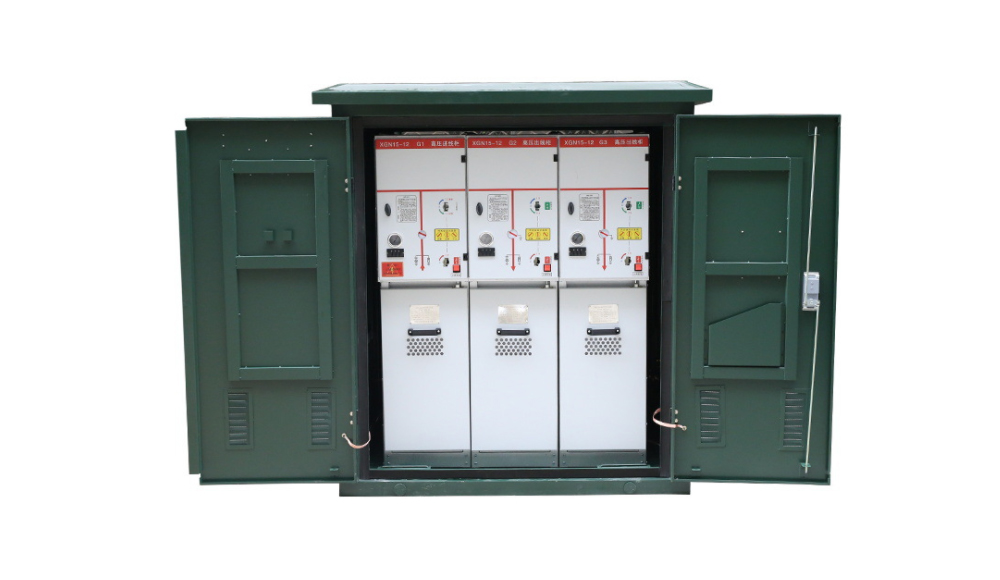
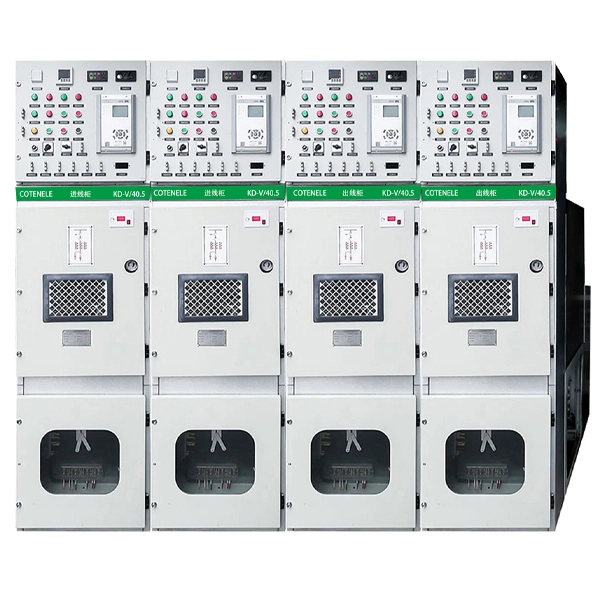
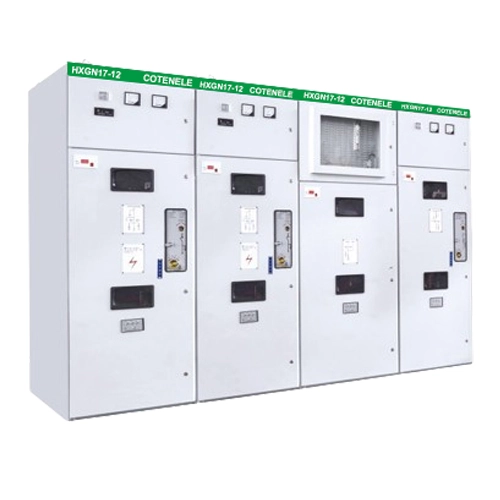
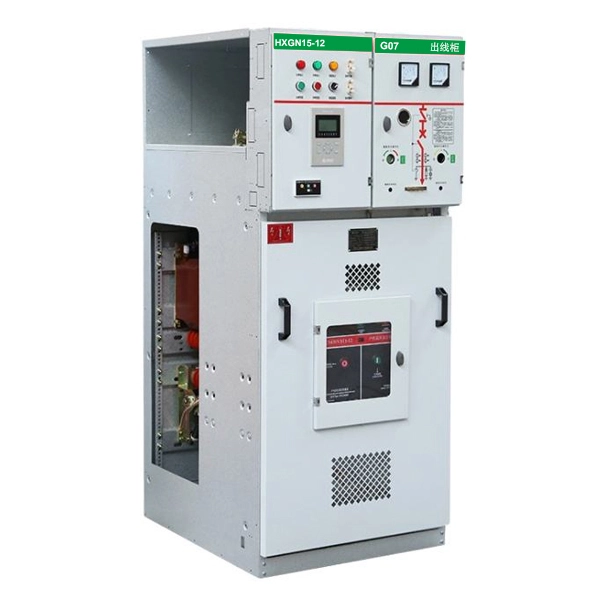
A Cable Distribution Box is one of the main products of Cotenele Electric Company. The Cable Distribution Box we produce has a small volume, compact structure, high protection level, and is sturdy and durable. A Cable Distribution Box is an electrical equipment used in power distribution networks to implement tapping, branching, splicing, and conversion circuits for cable lines. It is one of the core equipment in distribution network cabling engineering, and its main function is to distribute the electrical energy of the main cable to multiple branches, providing stable and reliable power supply for various types of electrical equipment.
The cable distribution box is widely used in urban distribution network renovation, industrial communities, residential areas, commercial centers, wind power plants, photovoltaic power generation bases and other scenarios, which can greatly save electrical equipment and cable investment and improve power supply reliability.
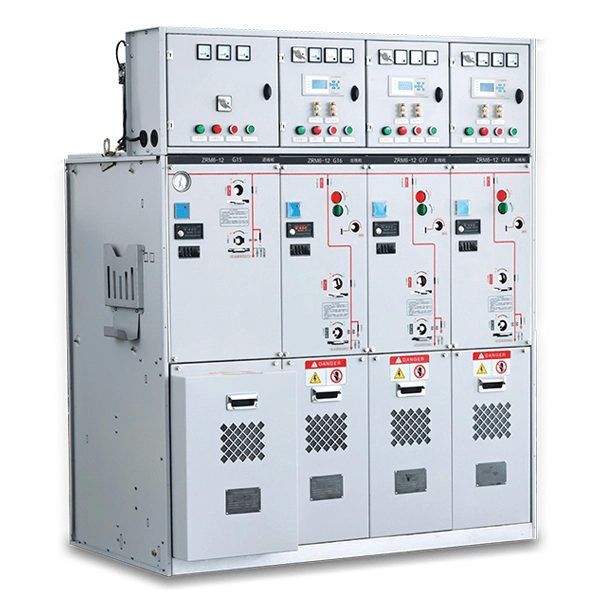
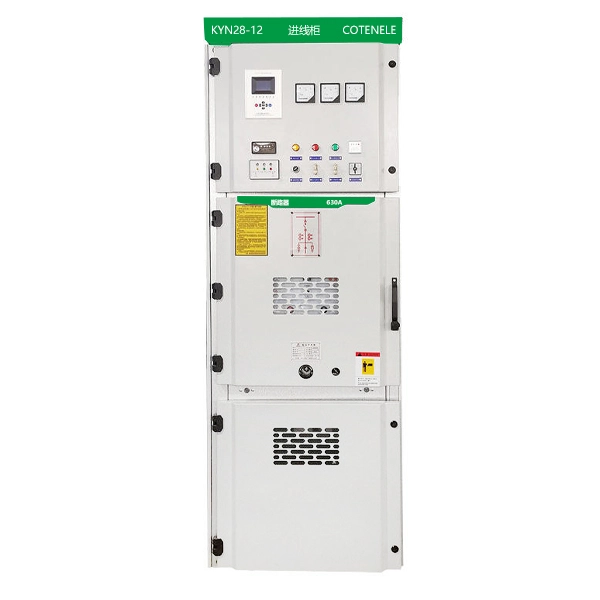
- View as
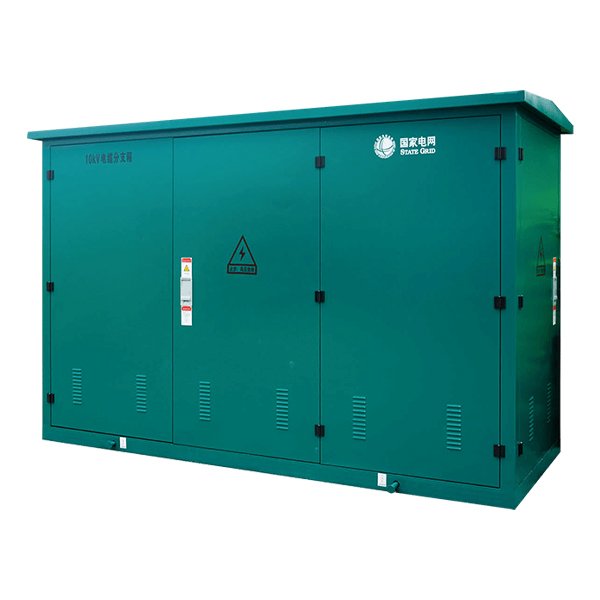
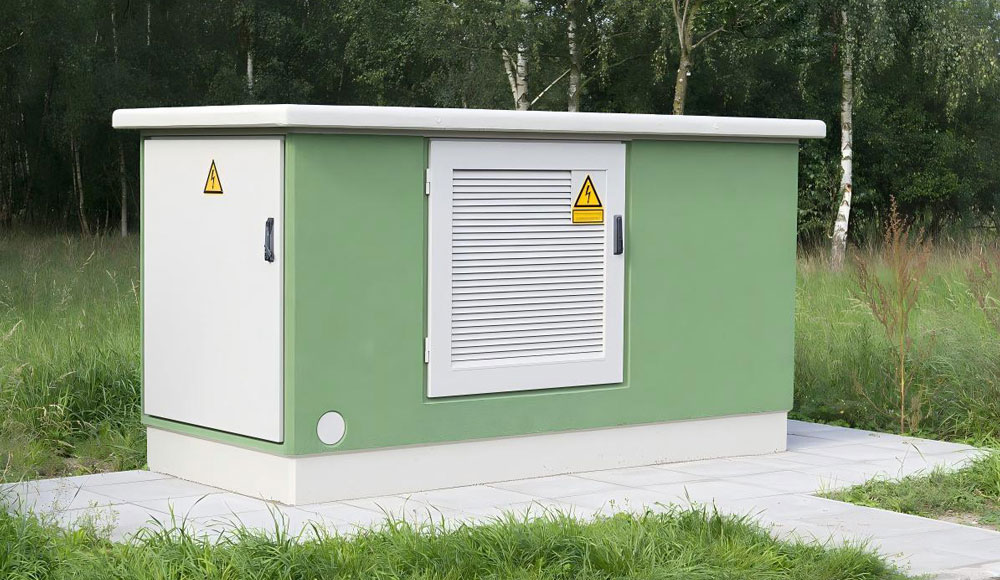
Kabelverteilerkasten für den Außenbereich
Der Kabelverteilerkasten für den Außenbereich vom Typ DFWK von Cotenele verfügt über vorgefertigte, unter Spannung stehende, berührbare Kabelköpfe aus Silikonkautschuk, ist vollständig abgedichtet, vollständig isoliert, wartungsfrei und zuverlässig, um die persönliche Sicherheit zu gewährleisten. Kompakte Struktur, kompaktes und schönes Aussehen, doppelschichtige Edelstahlbox mit einer Lebensdauer von über 20 Jahren; Ohne den Betrieb des Hauptnetzwerks zu beeinträchtigen. Führen Sie eine regionale Stromausfallwartung durch, um das Ausmaß von Stromausfällen zu reduzieren. Kann mit einem oder mehreren SF6-Lasttrennschaltern ausgestattet werden. Die Verkabelungsarten sind flexibel und vielfältig, mit maximal acht Stichleitungen; Optional sind Blitzableiter, Kurzschluss-Fehleranzeiger, strombegrenzende Sicherungen usw. erhältlich, um verschiedenen Benutzeranforderungen gerecht zu werden.
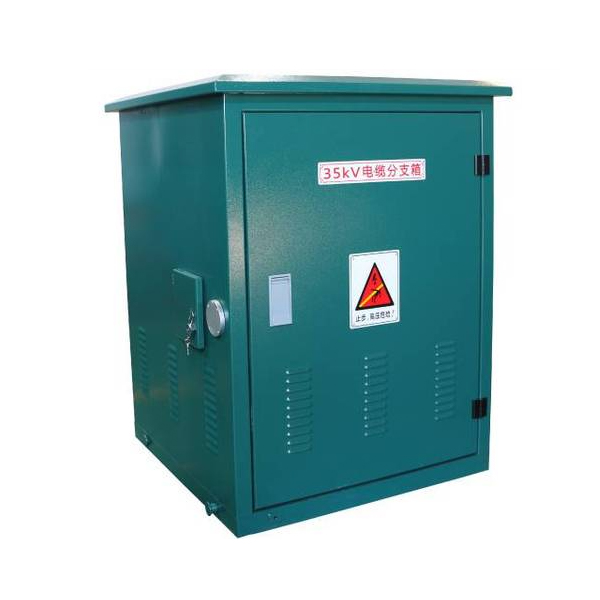
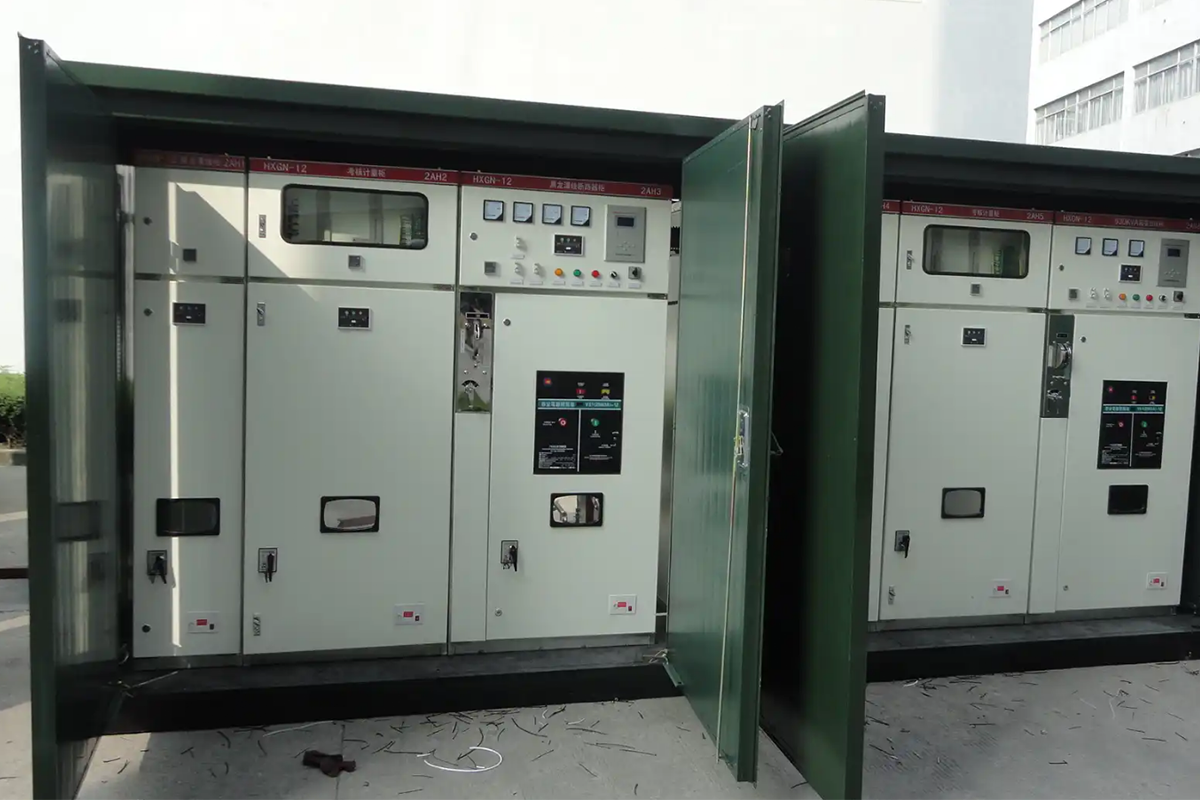
33-kV-Kabelverteilerschaltanlage für elektrische Verbindungskästen
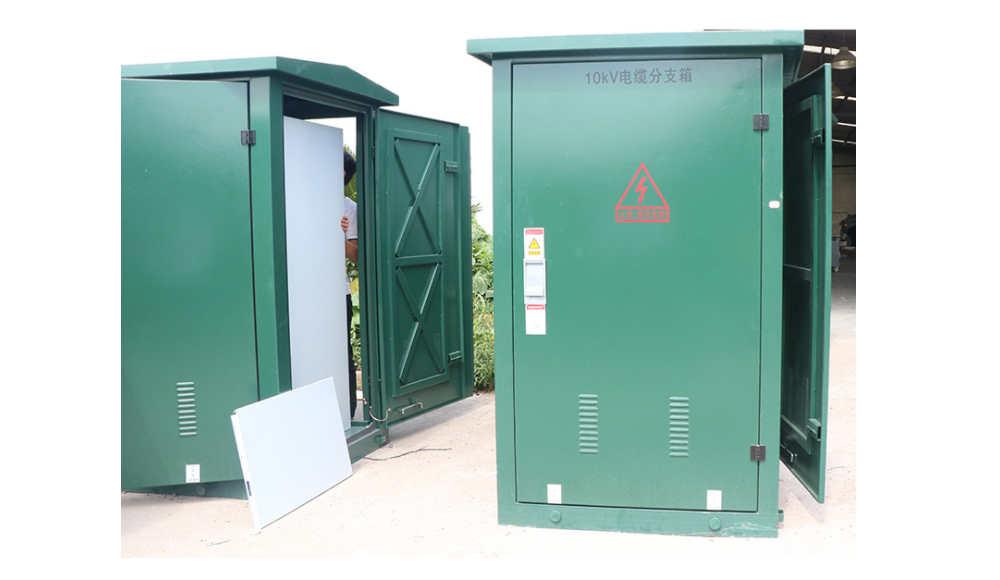
Im 33-kV-Verteilungssystem ist die 33-kV-Kabelverteilungsschaltanlage mit elektrischem Verbindungskasten ein sehr wichtiges elektrisches Gerät, und Cotenele ist ein hervorragender Vertreter der Herstellung dieser Ausrüstung. Unsere Kabelverteilungsschaltanlage im europäischen Stil wird häufig in der Kabeltechnik in Stromverteilungsnetzsystemen eingesetzt. Seine Hauptmerkmale sind das bidirektionale Öffnen von Türen, die Verwendung von Wanddurchführungshülsen als Verbindungsschienen und wesentliche Vorteile wie kompakte Bauweise, übersichtliche Kabelanordnung und keine Notwendigkeit, dreiadrige Kabel über große Spannweiten zu kreuzen.
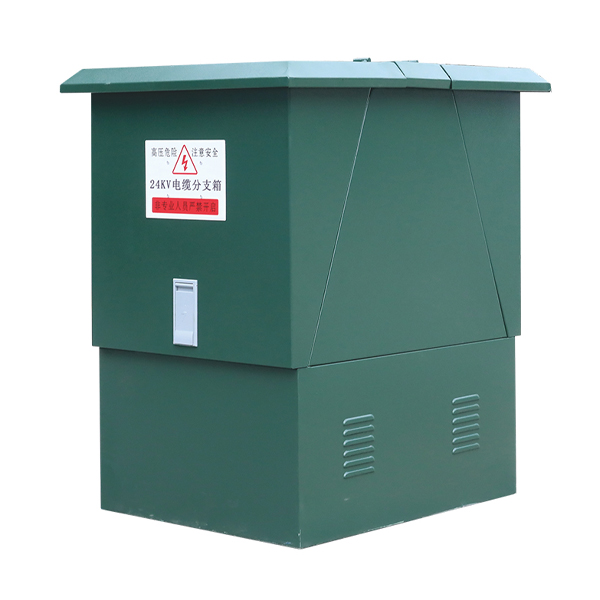
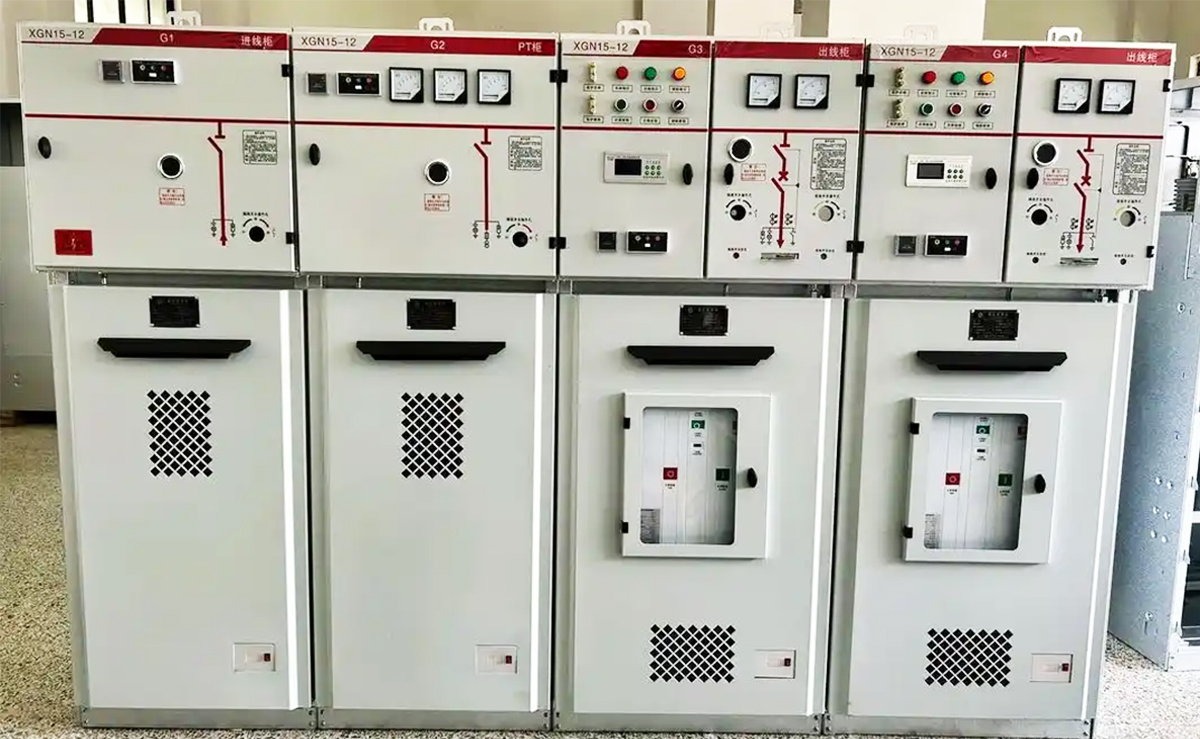
22KV-Verdrahtungskasten-Anschlusskabelverteilerfeld
Cotenele ist ein großer Hersteller von Abzweigkästen für Mittelspannungskabel. Das von uns hergestellte 22-kV-Kabelverteilergehäuse mit Anschlusskasten hat viele Länder und Gebiete im Ausland exportiert. Das 22-kV-Kabelverteilergehäuse mit Anschlusskasten ist ein wichtiges Knotengerät in Stromverteilungsnetzen, das hauptsächlich für die Stromübertragung und -verteilung verwendet wird. Es wird häufig in städtischen Kabelprojekten und der Stromversorgung von Wohngebäuden eingesetzt. Es verfügt über vollständig isolierte, vollständig abgedichtete und wartungsfreie Eigenschaften.
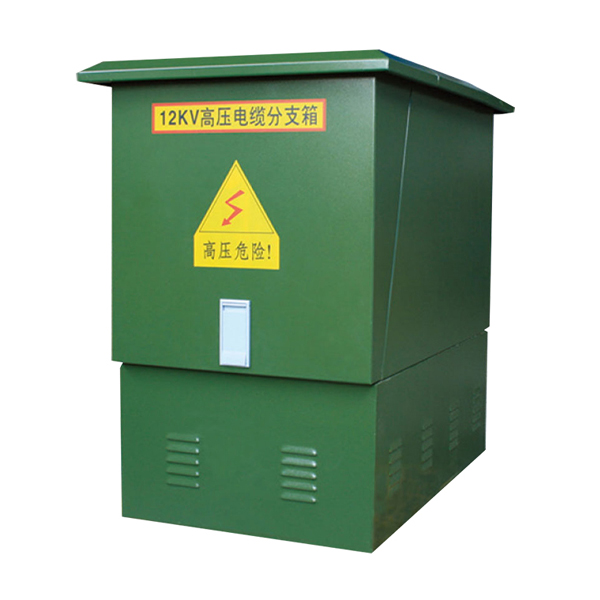
11-kV-Kabelanschlusskasten für den Außenbereich des elektrischen Anschlussschranks
Cotenele ist ein bedeutender Lieferant von Kabeltechnikausrüstung im chinesischen Stromverteilungsnetzsystem. Unsere 11-KV-Kabelanschlusskästen im europäischen Stil für den Außenbereich von elektrischen Anschlussschränken wurden in den letzten Jahren häufig in Verteilungssystemen des State Grid eingesetzt. Die Hauptmerkmale des Outside Electrical Junction Cabinet sind das bidirektionale Öffnen von Türen, die Verwendung von Wanddurchführungshülsen als Verbindungssammelschienen und erhebliche Vorteile wie geringe Länge, klare Kabelanordnung und keine Notwendigkeit, dreiadrige Kabel mit großer Spannweite zu kreuzen.
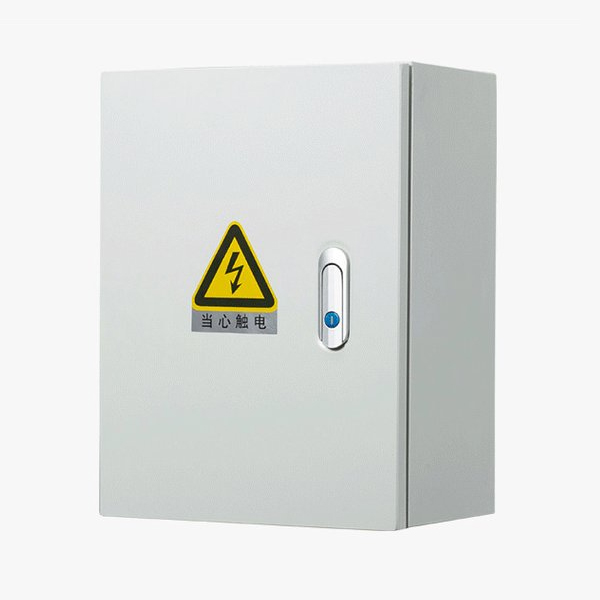
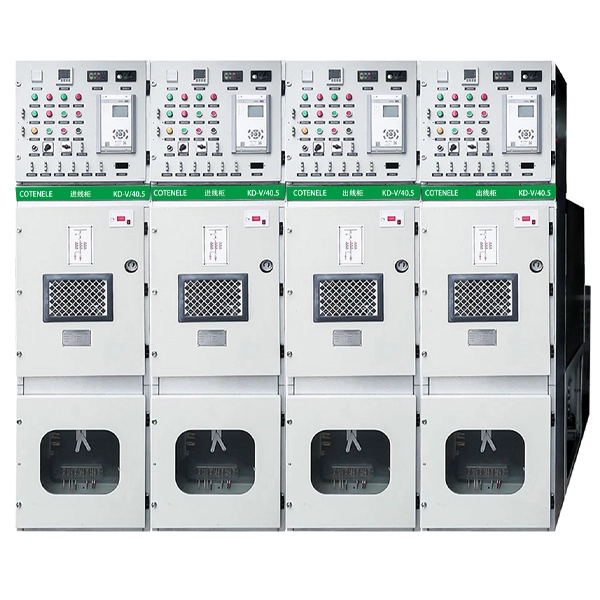
Niederspannungsverteilerkasten
Cotenele ist ein großer Hersteller von Niederspannungsverteilerkästen. Unsere Niederspannungsverteilerkästen haben nicht nur einen hohen Marktanteil in China, sondern exportieren auch in Überseemärkte, insbesondere in Afrika und Südamerika. In Europa haben wir eine langfristige und stabile Zusammenarbeit mit einigen griechischen Vertretern aufgebaut. Der Niederspannungsverteilerkasten ist ein kritisches Glied im elektrischen System und liefert Strom vom Hauptnetz an Endverbrauchergeräte. Es kann als das letzte Tor zur Stromverteilung betrachtet werden. Unsere Niederspannungsverteilerkästen entsprechen der relevanten internationalen Norm, zum Beispiel IEC 61439.
What Is A Cable Distribution Box?
A Cable Distribution Box (Cable Branch Box) is a device used for tapping, branching, connecting, and converting circuits on cable lines, mostly installed outdoors.
In power systems, the Cable Distribution Box serves tapping, branching, relaying, or converting functions, connecting power cables with equipment such as compact substations, load break switches, fuse-switch combinations, and ring main units, greatly facilitating cable network construction. Cable Distribution Boxes are mainly used in power systems with a rated frequency of 50Hz/60Hz and rated voltages of 380V (660V). They are also widely used in 10kV and 35kV medium-voltage distribution networks.
The core functions of a cable branch box include:
1. Cable tapping: On a long distribution line, using multiple small cross-section cables directly would be wasteful. Therefore, a large main cable is used at the output end, and near the loads, a Cable Distribution Box divides the main cable into several small cross-section cables that connect to the loads. This connection method is widely used in street lighting power supply and small-user power supply in urban grids.
2. Cable transitioning: When the distribution distance exceeds the length of a single cable, cable joints or transition boxes are necessary. Using many intermediate joints on a long cable line can create safety hazards, so using a Cable Distribution Box for transition is safer and more reliable. In addition, The Cable Distribution Boxes facilitate the connection of cables with different cross-sections, eliminating the complex process of intermediate cable joints, improving the cable connection environment, and facilitating routine inspection and maintenance during operation.
Classification For Cable Distribution Boxes
Cable Distribution Boxes can be classified from multiple dimensions as follows.
1. By Electrical Composition
l Ordinary distribution box: Contains no switching devices, only accessories for terminating and connecting cable ends. Simple structure, small size, single function-suitable only for tapping or branching. The total number of incoming and outgoing circuits is often called the number of branches. For example, a three-branch Cable Distribution Box can be used as one incoming with two outgoing, or two incoming with one outgoing.
l Advanced distribution box: Contains one or more switching devices, which can perform tapping, branching, as well as circuit control, conversion, and operation mode changes. Complex structure, larger size-typical external dimensions: height 1.4~1.8m, depth about 0.9~1.0m, length varies with number of switching devices. The enclosure resembles an outdoor pad-mounted transformer, with several doors- some for switch operation, others for installation and maintenance of cable connectors.
2. By Voltage Level
Rated voltages: 12kV (10kV), 24kV, 40.5kV (35kV), etc.
3. By Structure and Cable Connector Type
Mainly divided into three types: American-type (dead-front), European-type, and switch-equipped Cable Distribution Boxes.
| Feature | European Type | American Type | Switch-equipped Type |
| Door opening | Two-way | One-way | Depends on design |
| Connection method | Double-bushing as busbar | Horizontal multi-way busbar | Contains switching devices, allows loadoperation |
| Main circuit current | 630A | 600A | Depends on configuration |
| Branch circuit current | Depends on configuration | 200A(plug-in) | Depends on configuration |
| Connector standard | DIN47636 | IEEE 386 | Compliant with GB/IEC |
| Main features | Short length, neat cable arrangement, nolarge span crossing for three-core cables | Narrow width, flexible combination, fullyinsulated, fully sealed | Circuit control and conversion |
4. By Enclosure Material
- Metal: Cold-rolled steel, 201 stainless steel, 304 stainless steel, etc.
- Non-metal: SMC (Sheet Molding Compound) and other composites-good insulation and corrosion resistance.
5. By Installation Method
Outdoor floor-mounted, wall-mounted, buried type (fully insulated, fully sealed, fully enclosed -installed in cable trenches, occupying no ground space), etc.
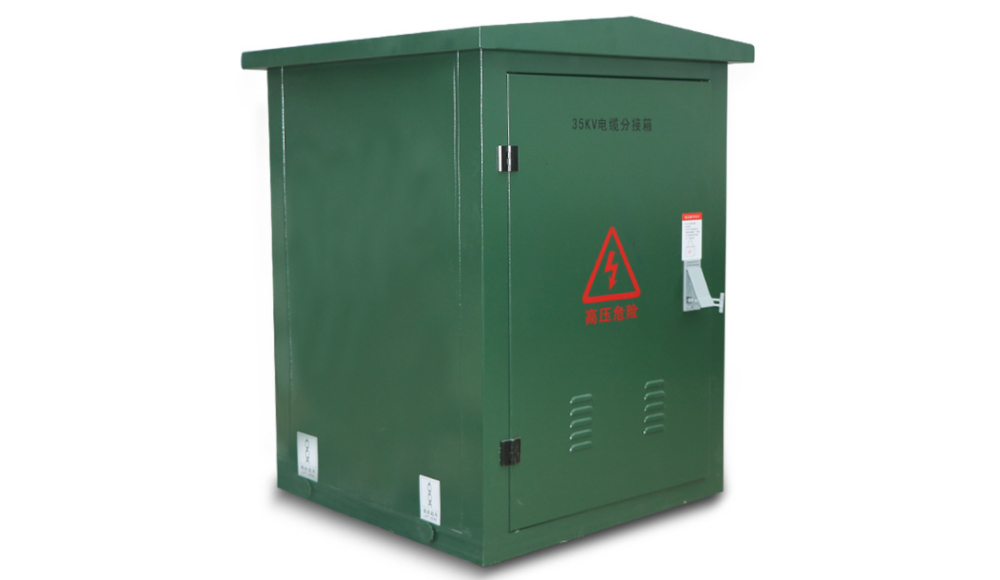
Application Scope of Cable Distribution Box
Cable Distribution Boxes are widely used in various fields of power distribution networks:
1. Urban distribution networks: Industrial parks, residential communities, commercial centers, urban road grid upgrade projects.
2. New energy: Wind farms, photovoltaic power stations, and other renewable energy distribution access.
3. Public infrastructure: Airports, railways, switching stations, data centers, etc.
4. Large industrial enterprises: Steel, petroleum, chemical, cement, automotive manufacturing, etc.
5. Charging infrastructure: EV charging stations and other emerging loads.
6. High-speed railways: Intermediate connection and branching in railway distribution networks to ensure reliability.
7. Cableization of distribution networks: Replaces overhead lines and is a preferred product for urban and rural grid construction and upgrading.
Basic Structure of cable distribution boxes
Medium-voltage cable distribution boxes mainly including the following core components:
- Enclosure: Usually made of stainless steel or metal steel plate, with protection rating up to IP65 or IP67, able to withstand harsh environments such as high temperature, severe cold, flooding, and high dust. Some high-end products have enclosure thickness up to 2mm.
- Busbar plate: Acts as the busbar in the cable branching system, fully insulated and fully sealed. Current ratings: 200A and 600A.
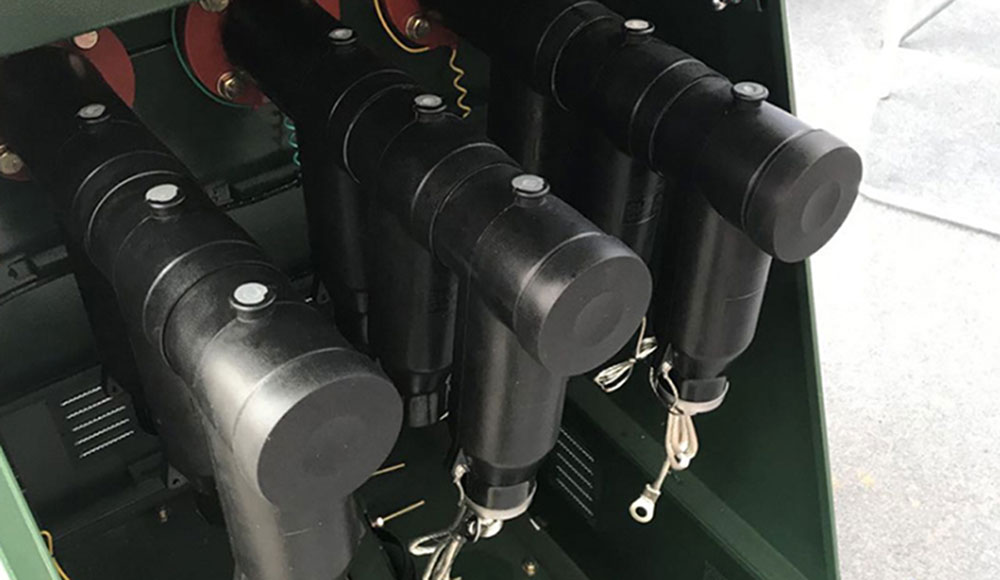
- Cable connectors: Mainly plug-in types (e.g., elbow, T-type) and fixed connection types, used for reliable connection between cables and the busbar plate.
- Grounding system: Internal grounding terminals and dedicated grounding conductor. Grounding terminals are bolts not less than 12mm in diameter. All metal brackets are connected to the dedicated conductor, which is a copper strip with cross-section not less than 25mm².
Working Principle of cable distribution boxes
The core working principle of a cable distribution box is to distribute electrical energy from the incoming cable to multiple outgoing cables through internal busbar plates and cable connectors, achieving parallel distribution of power.
1. The basic wiring method: The busbar plate is fixed inside the enclosure, and cable plugs are inserted into the busbar plate. Incoming and outgoing cables connect to bushings via T-type connectors, which are then coupled together to form branching circuits. Electrical energy flows from the incoming cable, through the busbar plate (or insulating bushing/double connector) to each outgoing cable, achieving power branching.
2. European-type cable distribution boxes use insulating bushings (double connectors) as the busbar, offering advantages such as short length, neat cable arrangement, and no large span crossing for three-core cables. American-type cable distribution boxes use a horizontal multi-way busbar structure, they have the characteristics of narrow width and flexible combination. The distribution box equipped with advanced switches has a built-in switching device that divides the cable circuit into different potential incoming and outgoing sides through the opening gap, thereby achieving circuit control and conversion.
What are the Product Advantages of a cable distribution box?
As a mature distribution network device, the cable distribution box has the following significant advantages:
1. Fully insulated, fully sealed, fully shielded structure: Ensures personal safety without additional insulation distance. The fully insulated and fully sealed structure makes the device dustproof, fire-resistant, corrosion-resistant, maintenance-free, and can be submerged in water, suitable for any harsh environment.
2. Compact size: Easy installation, simple operation, flexible combination to meet various wiring requirements, reducing footprint.
3. High protection rating: Up to IP65 or IP67, able to withstand harsh environments including high temperature, severe cold, flooding, and high dust. Also features superior moisture-proof and waterproof performance.
4. Cost savings: Greatly reduces investment in electrical equipment and cables, improves power supply reliability.
5. Low or no maintenance: Some high-end products (e.g., SF6 load break switch boxes) have a design life of up to 30 years, with the main switch requiring no maintenance.
6. Smart interface: Can be equipped with intelligent control devices, providing effective protection, remote control, and monitoring, supporting distribution automation.
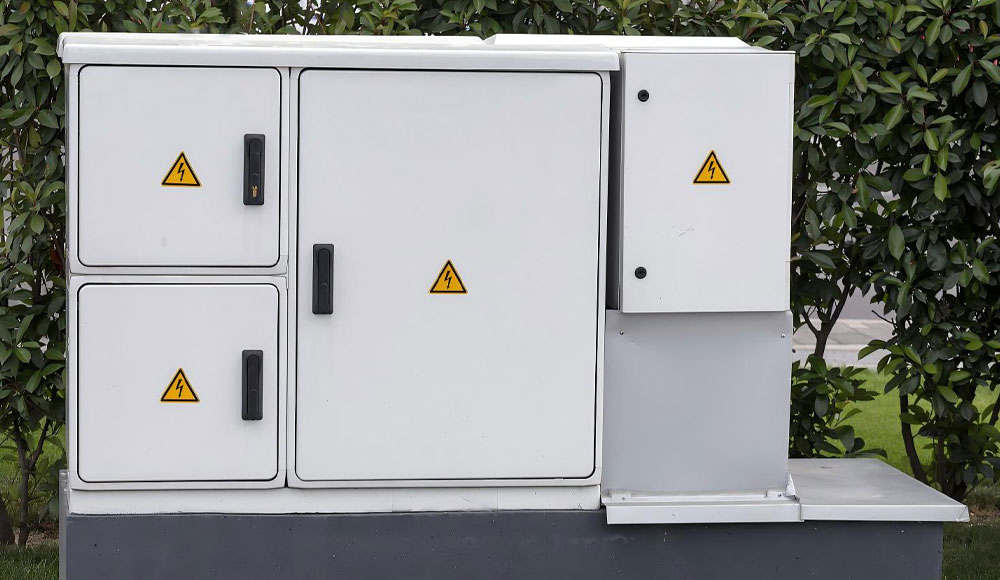
How to choose right cable distribution box?
Selecting the right cable distribution box is critical for safe and reliable operation. Consider multiple factors:
6. Key Parameters
- Rated voltage: Choose according to system voltage :common: 12kV (10kV), 24kV, 40.5kV (35kV), and 380V/660V (low voltage).
- Rated current: Main circuit typically 630A; branch circuits 160A, 250A, 400A, 630A, 1250A, 1600A as needed.
- Rated short-time withstand current: Typically 20kA/3s, some up to 50kA.
- Power frequency withstand voltage: 42kV/1min for 12kV, 54kV/1min for 24kV.
- Lightning impulse withstand voltage: 75kV for 12kV, 125kV for 24kV.
- Protection rating: IP43 minimum for outdoor; IP65~IP67 for harsh environments.
- Circuit resistance: ≤200μΩ.
7. Selection Key Points
- By voltage level: Determine based on actual system voltage.
- By function: Ordinary distribution box for tapping only; advanced (switch-equipped) box for circuit control and conversion.
- European vs American:
- European: Two-way door, double-bushing as busbar – neat cable arrangement, suitable for space-constrained applications.
- American: One-way door, flexible combination, fully insulated/sealed – suitable for systems aligned with North American standards.
- By number of outgoing circuits: e.g., 1 in 2 out, 1 in 4 out, etc.
- By cable cross-section: Ensure the box supports the cable cross-section range used (typically 25~500mm²).
- By protection rating: For outdoor use, prioritize IP54 or higher.
- By environmental adaptability: For humid/corrosive environments, choose stainless steel enclosures with enhanced anti-corrosion measures.